Understanding the psychology behind player behavior in casinos
The Allure of Casinos
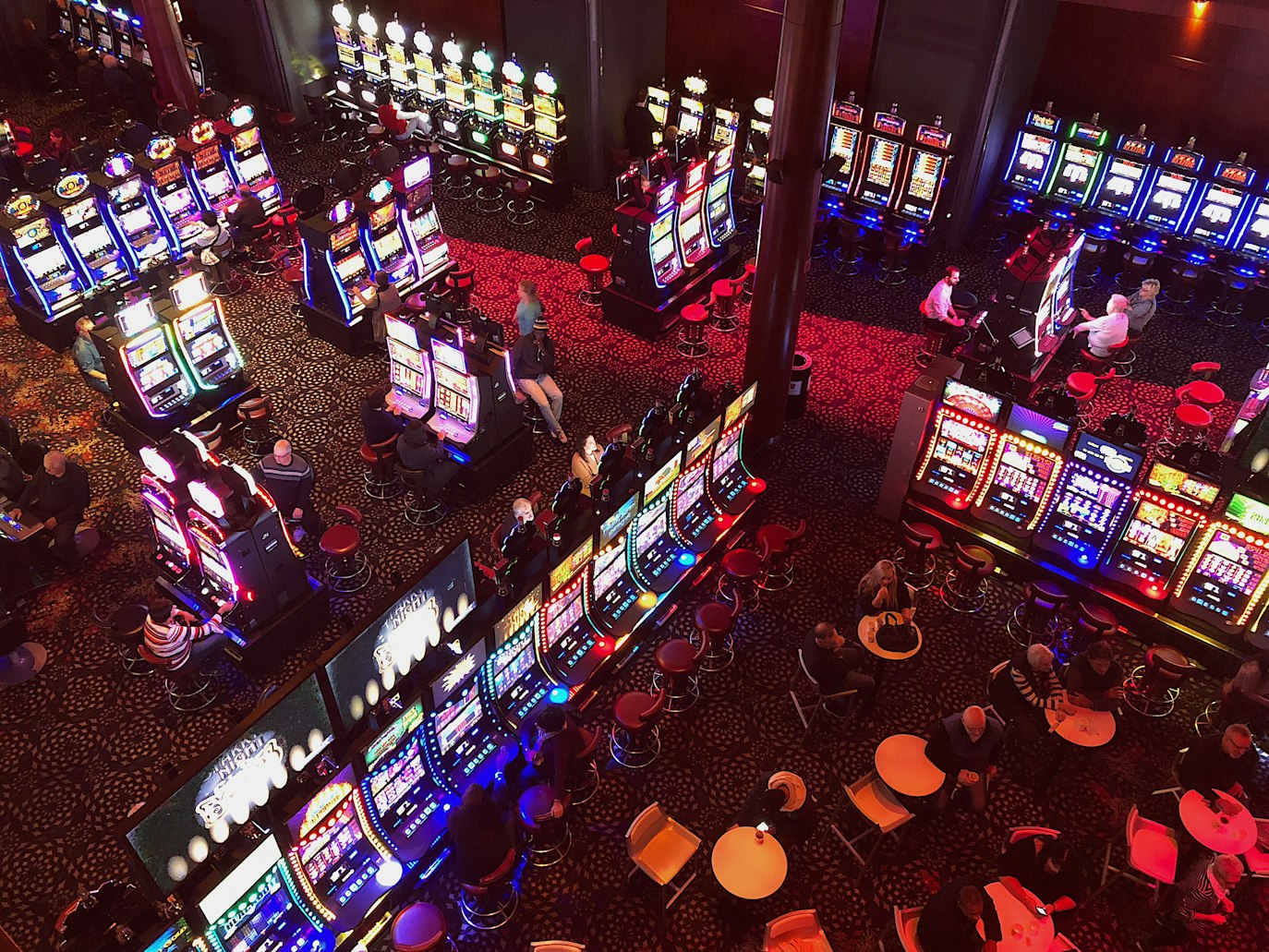
The vibrant atmosphere of a casino is designed to attract players, drawing them in with a blend of excitement and anticipation. The use of lights, sounds, and even scents plays a significant role in creating an immersive experience. When players enter a casino, they are enveloped in an environment that triggers excitement and the possibility of winning, which can be incredibly enticing. This sensory stimulation is intentionally crafted to keep players engaged and encourage prolonged play. For instance, with tools like play id, accessing these thrilling experiences becomes even more seamless.

Furthermore, casinos often implement design strategies that encourage exploration. The layout is typically maze-like, making it easy to wander from one game to another. This setup not only increases the time spent within the casino but also enhances the chances of players engaging in various games, thereby maximizing their potential losses and wins. The thrill of discovering new games can tap into players’ innate curiosity and desire for adventure, further reinforcing their inclination to gamble.
Additionally, social interaction plays a crucial role in the allure of casinos. Gamblers often enjoy the camaraderie that comes from playing alongside others. This communal atmosphere can amplify the excitement of winning while simultaneously providing emotional support during losses. The presence of other players creates a shared experience, and the social dynamics involved in gambling can deeply influence individual behavior and decision-making processes.
The Psychology of Risk and Reward
One of the core elements of gambling is the intricate relationship between risk and reward. Players are often drawn to the prospect of winning big, which can lead to a heightened state of excitement. The thrill associated with the chance of winning can be intoxicating, creating a strong emotional response that keeps players returning for more. This sensation is often reinforced by the intermittent rewards common in casino games, where occasional wins stimulate a dopamine release in the brain, leading to a cycle of repeated play.
The perception of skill versus luck also plays a pivotal role in player behavior. Many players believe they can influence outcomes, especially in games that require strategy, like poker or blackjack. This belief can lead to increased risk-taking, as players feel empowered to make decisions that could lead to substantial rewards. Conversely, in games predominantly based on luck, such as slot machines, players may experience a false sense of control, believing that their actions can sway outcomes despite randomness.
Moreover, the concept of loss aversion, a psychological phenomenon where individuals prefer to avoid losses rather than acquire equivalent gains, significantly impacts player behavior. Gamblers often chase losses, feeling compelled to recoup what they’ve lost. This tendency can result in a dangerous cycle where players continue to gamble in the hope of turning their luck around, leading to greater financial losses over time. Understanding these psychological underpinnings can provide insight into why players behave the way they do in casinos.
The Role of Gamification in Player Engagement
Gamification techniques have become increasingly prevalent in the casino industry, further enhancing player engagement and prolonging playtime. By incorporating elements of game design into gambling, casinos create a more interactive experience. Features such as points, levels, and rewards systems mimic the structure of video games, making the gambling experience more appealing and immersive. This strategy not only captures players’ attention but also encourages them to keep playing to achieve higher status or rewards.
Additionally, loyalty programs can significantly influence player behavior. These programs often reward players with bonuses, free spins, or exclusive promotions based on their activity. The desire to unlock better rewards can drive players to increase their gambling frequency and spending. The more players feel they are being rewarded for their engagement, the more likely they are to return, fostering a long-term relationship between the casino and the player.
Another layer of gamification involves the use of technology, such as mobile apps that allow players to track their gaming habits, rewards, and progress. These tools can create a personalized gambling experience, making players feel valued and connected to the casino. As technology continues to evolve, its role in enhancing player behavior will likely expand, making the gambling experience even more engaging and addictive.
Understanding Gambling Addiction
Understanding the psychological factors that lead to gambling addiction is crucial for addressing the issue effectively. Many players do not start with the intention of becoming addicted; rather, they are often drawn in by the excitement and the social aspects of gambling. Over time, the thrill can transform into a compulsive behavior that overrides rational thinking, leading individuals to gamble excessively and, in some cases, recklessly.
The brain’s reward system plays a critical role in this transformation. As players experience wins, their brains release feel-good chemicals that create a sense of pleasure. Unfortunately, this can result in players seeking out these feelings through increased gambling, even in the face of detrimental consequences. This cycle of reward and loss can create a compelling urge to continue gambling, often with devastating financial and emotional outcomes.
Moreover, environmental and personal factors can contribute to gambling addiction. Stressful life events, social pressures, or mental health issues can drive individuals toward gambling as a form of escape. Understanding these factors is essential for developing effective prevention and intervention strategies. Raising awareness about responsible gambling practices can help individuals recognize the signs of problem gambling and seek help before it escalates into addiction.
PlayID: A Hub for Responsible Gambling
PlayID E-Wallet serves as an innovative solution for players seeking a streamlined and secure online gaming experience. By consolidating user identities and funds into a single application, PlayID simplifies the process of accessing multiple partner casinos. This not only enhances convenience but also promotes responsible gambling practices by providing users with comprehensive bankroll management tools.
The platform’s unique Vault option allows users to earn interest on idle funds, encouraging players to think critically about their spending and saving habits. By shifting the focus from gambling to financial management, PlayID aims to foster a healthier relationship with gambling. Newcomers can also take advantage of exclusive bonuses and promotions, making it an attractive option for those entering the online gambling scene.
Ultimately, PlayID represents a commitment to creating a safer and more enjoyable online gaming environment. By understanding the psychology behind player behavior and offering tools to promote responsible gambling, PlayID is not just a payment hub; it is a partner in fostering a sustainable gambling experience.
Leave a Reply